
Imagine being in a crowded room where every single sound hits the ears at the exact same volume. The clinking of forks, the hum of the air conditioner, and the laughter from three tables away all compete equally with the voice of the person sitting directly across the table.
For individuals with auditory processing disorder, this chaotic scenario is a daily reality because the brain struggles to filter out background noise. Noisy environments pose the ultimate challenge for listening comfort. Fortunately, individuals can use practical habits to retrain their brains, protect their energy, and regain control over these overwhelming soundscapes.
Focus Directly on Visual Speech Clues
When background noise floods a room, listening requires more than just ears. People can significantly improve their understanding by watching the face of the person speaking. Paying close attention to lip movements, facial expressions, and hand gestures provides the brain with instant context clues that fill in missing speech sounds.
This habit reduces the mental strain of trying to isolate words purely by sound. To make this technique work best, individuals should position themselves in well-lit areas. Good lighting ensures that every facial movement is perfectly visible, which makes conversations much easier to follow when environments become loud and chaotic.
Choose Strategic Seating Locations
Success in a loud environment often depends heavily on where a person decides to sit or stand. Walking into a restaurant or a meeting room requires a quick scan to find the quietest possible spot. Individuals should always look for seats that place their backs against a solid wall.
A solid wall effectively blocks a massive amount of noise from sneaking up from behind. Additionally, choosing a table far away from the kitchen doors, large speakers, or busy hallways keeps extra noise to a minimum. Smart positioning creates a natural barrier that helps the brain focus forward instead of scattering attention.
Take Frequent and Planned Sound Breaks
Listening with a brain that does not filter sound naturally takes a massive amount of physical and mental energy. People quickly experience extreme listening fatigue when they try to endure loud spaces for hours without a rest. A great strategy involves scheduling short, quiet breaks throughout an event to give the brain a chance to reset.
Walking outside into the fresh air or stepping into a quiet restroom for just five minutes can work wonders. These brief moments of silence lower stress hormones, reduce exhaustion, and prepare the mind to handle the next round of socialization without feeling completely overwhelmed.
Use Advanced Personal Sound Systems
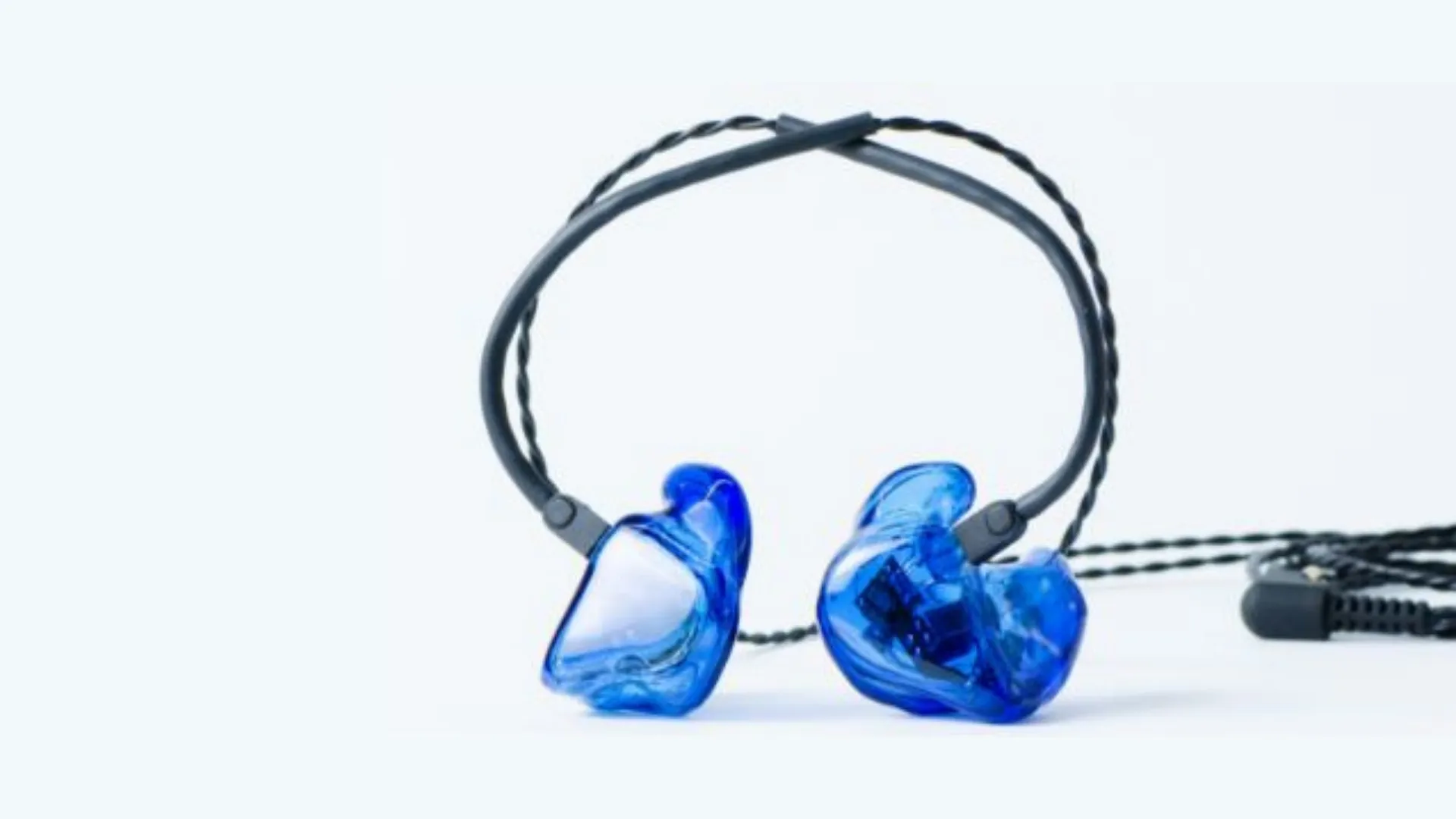
Modern technology offers incredible tools that help individuals isolate the sounds they actually want to hear. Remote microphone systems allow a speaker to talk directly into a small microphone worn on their clothing. This microphone then sends the speaker’s voice clearly into wireless earbuds or specialized earpieces worn by the listener.
By delivering the voice straight to the ears, this technology bypasses the surrounding noise completely. The background din stays in the background, while the target conversation becomes crisp and clear. Using these helpful devices transforms how the brain manages sound in classrooms, business meetings, or busy family gatherings.
Change the Surrounding Sound Environment
People can also take charge of the physical spaces where they spend most of their time. Making simple adjustments to a home or an office can drastically reduce the way sound bounces around a room. Adding soft items like thick area rugs, heavy window curtains, and comfortable fabric furniture helps absorb extra noise.
Hard surfaces like bare walls and wooden floors actually reflect sound, which makes rooms echo and increases listening difficulty. By softening the environment, individuals create a much gentler soundscape. This environmental shift allows the brain to process speech with far less effort during daily activities.
Start Improving Daily Hearing Habits
Managing daily listening challenges requires consistent practice and the right guidance. No one needs to handle the stress of loud spaces alone. Implementing these strategies gradually makes chaotic environments feel much more manageable.
If you are ready to improve your daily communication skills, please reach out to our practice today. A comprehensive consultation provides a personalized plan tailored to your specific lifestyle needs. This simple choice ensures that noisy rooms no longer dictate the quality of your conversations. Contact us to start hearing with confidence again.