A hearing evaluation often feels like a simple series of beeps and whispered words, but the results offer a profound look into how the brain processes the world. Most people walk into a clinic expecting a simple pass or fail grade, yet the data actually maps out a complex landscape of sound.
This assessment goes far beyond basic volume levels. It uncovers the specific frequencies where clarity begins to fade and identifies how well the mind interprets speech in noisy environments. Understanding these details helps individuals move past the confusion of misheard conversations and into a life of better connection.
Your Brain is Working Overtime to Listen
The results of a hearing test often reveal why exhaustion sets in after a long day of socializing. When a hearing loss exists, the brain must constantly fill in the gaps of missing sounds, which leads to significant mental fatigue. This extra effort acts like a background program running on a computer that slows everything else down.
The evaluation shows exactly how hard the mind struggles to keep up with rapid speech. Seeing these scores helps explain why following a story at a dinner party feels like a grueling workout rather than a relaxing evening with friends.
Volume and Clarity Are Not the Same Thing
Many people believe that if a sound is loud enough, they will understand it perfectly, but the test results usually tell a different story. The data highlights the distinction between audibility and speech discrimination. One might hear the low rumble of a voice across the room while completely missing the sharp consonants that give words their meaning.
This explains why people often feel like others are mumbling even when they are speaking loudly. The evaluation pinpointed these specific frequency gaps, showing that increasing the volume is rarely the only solution needed for better understanding.
Background Noise Challenges Are Quantifiable
A standard evaluation measures the ability to hear in a quiet room, but the most telling part involves speech-in-noise testing. This section of the results explains why a person might do well in a one-on-one setting but feel completely lost at a crowded restaurant.
It provides a specific score that represents how much louder a voice must be over the background chatter for the brain to make sense of it. Knowing this number changes the approach to treatment because it proves that the struggle in loud places is a physical reality rather than a lack of focus.
Hearing Health Connects to Overall Wellness
The results serve as an early warning system for more than just the ears because the auditory system is closely linked to cardiovascular and cognitive health. Low-frequency hearing loss, for example, sometimes relates to blood flow issues that affect the entire body. The evaluation provides a baseline that helps monitor changes over time, offering a window into how the body is aging.
By looking at these patterns, hearing health professionals can see a broader picture of physical well-being. These numbers act as an important piece of the puzzle for maintaining a sharp and active lifestyle for years.
High Frequencies Carry the Most Meaning
Most people lose the ability to hear high-pitched sounds first, which includes the soft sounds of birds or the voices of children. The test results show exactly where these high-frequency sounds drop off, which are the very sounds that distinguish one word from another.
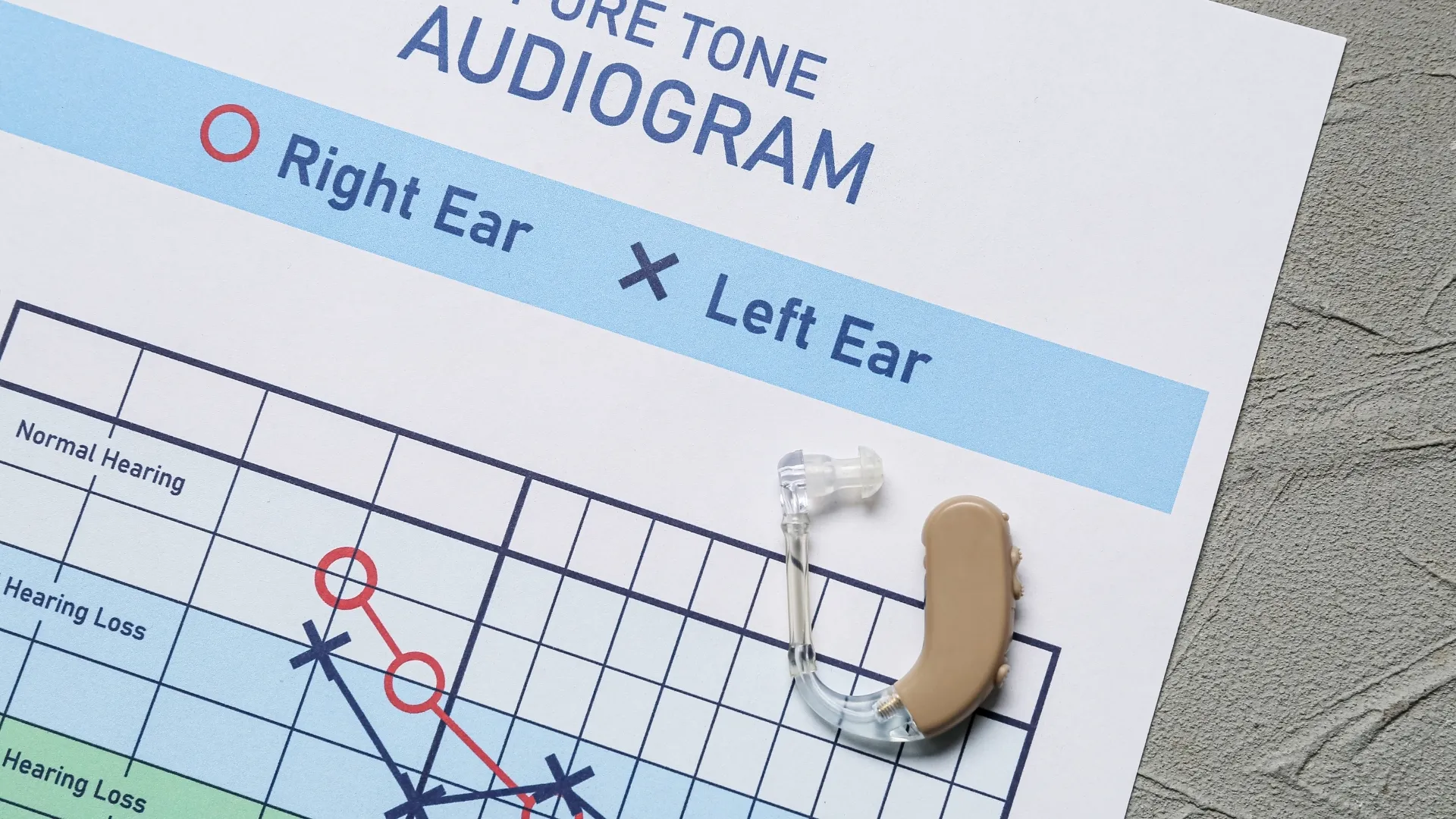
Without these sharp tones, words like “fish” and “fist” sound exactly the same. The evaluation maps this loss on a graph, proving that missing out on the small details of sound leads to a major loss in communication. Identifying this specific area allows for a targeted plan to bring those crisp details back.
Understanding the Results Leads to Better Living
The results of a hearing evaluation provide a clear roadmap for reclaiming the sounds that have slowly faded over time. This clarity allows you to stop guessing during conversations and start engaging with confidence again. Delaying these findings only makes it harder for your brain to adjust to clear sound later.
If the world feels muffled or keeping up with loved ones is becoming a chore, we are here to guide you through the next steps. Call us at (317) 818-3490 to schedule an appointment so we can help you stay connected to every vibrant conversation.
Many individuals do not realize that their ears act as a secondary radar system, providing constant data about traffic flow and emergency situations. When these sounds begin to fade, the driving experience becomes more stressful and potentially dangerous for everyone sharing the pavement.
Siren Detection Becomes Much Harder
Emergency vehicles rely on loud, high-pitched sirens to clear a path through heavy traffic. When someone struggles with hearing loss, these urgent signals often blend into the background noise of the car. A driver might not notice an ambulance or fire truck until the vehicle is right behind them.
This delay in reaction time can lead to sudden braking or unexpected maneuvers that confuse other motorists. Being able to hear a siren from a block away provides the necessary time to pull over safely and let emergency responders pass without incident.
Tire and Engine Sounds Provide Feedback
Vehicles communicate through various noises that alert a driver to the health of the machine. A soft hiss might indicate a tire leak, while a rhythmic thumping could signal a mechanical failure. Drivers who cannot hear these subtle changes might miss the early warning signs of a breakdown.
The sound of the engine helps a person gauge their speed and acceleration without constantly glancing at the dashboard. Missing these auditory cues means relying solely on visual information, which can lead to a less intuitive and more distracted driving experience during long trips.
Awareness Of Nearby Traffic Decreases
The sound of a car in a blind spot often alerts a driver before they even check their mirrors. Hearing the hum of an engine or the roar of a motorcycle provides a spatial map of where other vehicles are located. When hearing loss is present, this spatial awareness diminishes significantly.
A person might change lanes, thinking the coast is clear, only to be startled by a horn from a car they never heard approaching. This lack of auditory input makes it much more difficult to keep track of fast-moving vehicles in crowded areas.
Increased Mental Fatigue During Long Trips
Driving requires a high level of concentration, and hearing loss adds an extra layer of exhaustion to the task. The brain has to work much harder to process muffled sounds or filter out wind noise while trying to stay focused on the road.
This extra effort leads to mental fatigue, which slows down reaction times and reduces overall alertness. A tired driver is less likely to notice small details or respond quickly to a sudden change in traffic patterns. Keeping the mind sharp is easier when the ears are providing clear and effortless information throughout the journey.
Difficulty Hearing Passengers Or Navigation
Modern driving often involves listening to turn-by-turn directions or chatting with family members in the backseat. Hearing loss makes it difficult to distinguish these voices from the ambient noise of the road and the air conditioner. A driver might miss a critical exit because they could not hear the GPS prompt clearly.
Trying to strain to hear a conversation also pulls attention away from the windshield and the surrounding cars. When the interior environment of the car becomes a struggle to understand, the primary task of operating the vehicle safely often suffers as a result.
Prioritizing Safety Through Better Hearing
Driving is getting from point A to point B, but it’s also about the confidence that comes with being fully aware of your surroundings. When road noises or sirens start to feel muffled, it affects your safety and your peace of mind.
Northside Hearing Care is here to help you regain clarity, ensuring every trip with your family remains secure. Please contact our team today for a personal audiometric tester in indiana near me. We will work together to keep you protected, focused, and ready for every mile of the journey ahead.